
84 days of hunger: Why summer is the hardest season for millions of American children
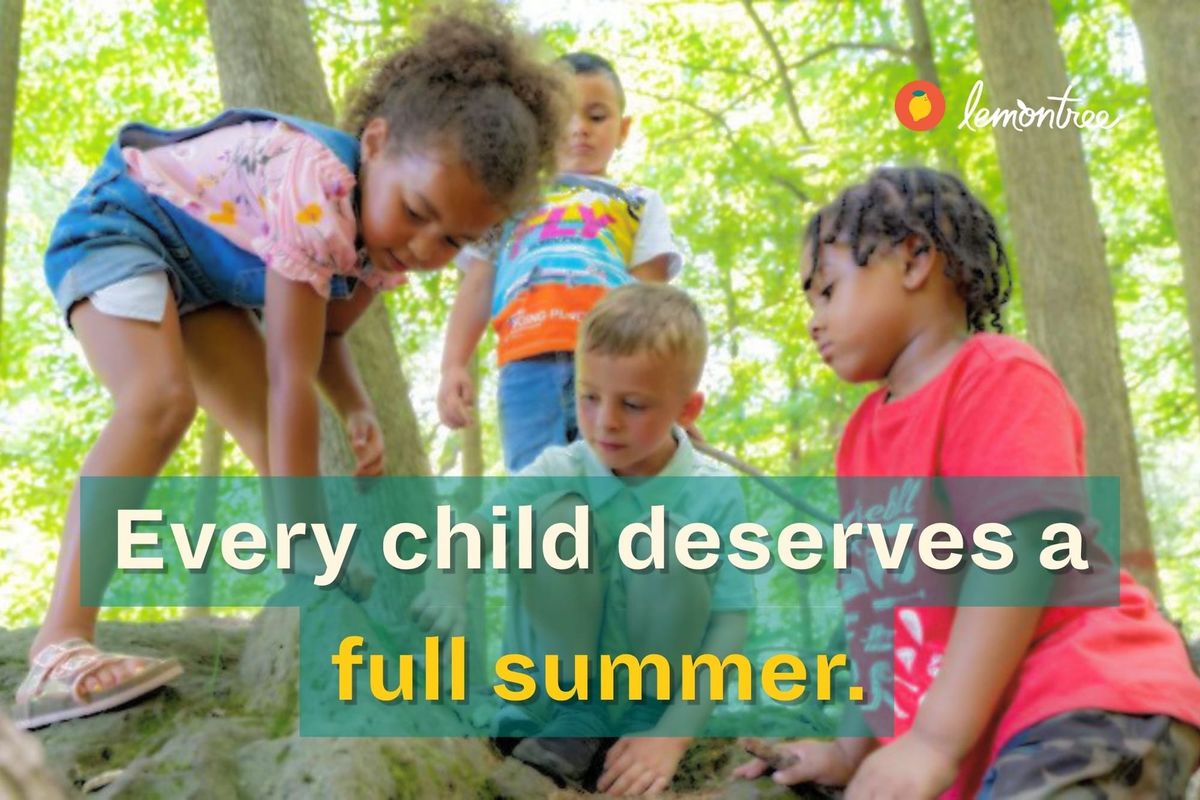
The final school bell of the year rings and children rejoice–nearly three months for warmth, popsicles and freedom from homework. But for millions of kids, the final bell also rings in uncertainty about their next meal.
Half of all public school children in the US qualify for free and reduced-price meals. For many of these kids, 84 days of summer represent 84 days without reliable access to breakfast and lunch.
This summer, we want to raise $84,000 to support 28,000 additional families. This number isn’t a coincidence: $84,000 for 84 days of summer, so that no child spends their break hungry.
The Rising Cost of Food Insecurity
Today, food insecurity is higher than at the pandemic peak. 1 in 10 families report skipping meals for lack of sufficient food. For families with incomes less than $50,000 a year, this number is 1 in 5–nearly triple pandemic levels.
Hunger isn’t the only consequence of children missing out on school lunches. When kids don’t have enough to eat during the school year, they’re twice as likely to repeat a grade, three times as likely to face suspension, and four times as likely to report having no close friends. Summer break intensifies poor socio-emotional, health and academic outcomes: research shows that when school lets out, learning loss, weight gain and food insecurity all spike.
The Programs Exist, but Don’t Reach the Most Vulnerable
During summer break, Summer Meals Programs are designed to supplement the essential support provided by Free and Reduced Meals (FARMs) programs throughout the school year. But, in 2024, these programs reached just 16 kids for every 100 who received FARMs during the school year–a massive gap.
Summer EBT is a key nutrition support for families, but it provides only $1.33 per child per day–far from what it costs to cover a child’s nutritional needs. Furthermore, 13 states opted out of Summer EBT and Summer Meals Programs–leaving more than 9.5 million without any support during the summer months.
Even for families best positioned to use critical summer supports like SMP–those who receive SNAP, WIC or other benefits programs that qualify them for FARMs–there are significant barriers to assistance. Many families don’t know these resources exist or face obstacles — transportation, language, paperwork — in accessing them.
A Crisis Exacerbated: SNAP Cuts
H.R. 1, enacted in July 2025, ushered in the deepest cuts to SNAP in the program’s history. Kids are at the heart of these changes: more than a third–34%–of households receiving SNAP have children. In just 12 states with available data, over 700,000 children have already lost SNAP benefits since H.R.1’s enactment in July 2o25–a 15% decline overall. When families are kicked off SNAP, they lose automatic qualification for free school meals, Summer EBT, and WIC. Without clear information and overwhelmed benefits certification offices, many eligible children end up falling through the cracks as paperwork barriers multiply.
What Families Need–and What Works
Many families face a dire outlook this summer–rising costs of living, a shrinking web of benefits, and increased levels of food insecurity. Fortunately, we know what works in supporting children and their families through the summer months: connection, reliable information, and collaboration.
Connecting families to resources like food pantries, SNAP enrollment, and summer meal site locations is fundamental, but information isn’t enough. Families need to know where to go, and feel comfortable and safe using the resources in their own neighborhoods.
As the patchwork of government benefits grows more limited and more volatile, community supports must become more robust through cooperation and collaboration. Food touches every part of kids’ lives–academics, socio-emotional wellbeing, physical health, and safety. It’s critical that we meet kids and their families where they are to ensure they can enjoy summer without worrying about where their next meal will come from.
Lemontree’s Full Summers Campaign
Lemontree was built on the knowledge that great resources exist, and we can make it easier to find them. We help families find the free food in their communities–for just $3 per household, we connect neighbors to food pantries, prepared meal sites, and SNAP benefits.
This summer, we want to raise $84,000 to support 28,000 additional families. This number isn’t a coincidence: $84,000 for 84 days of summer, so that no child spends their break hungry.
The programs exist; the food is out there. Help us by donating, spreading the word, or getting in touch so we can support your community. The gap is connection, and we can close it together.
Donate here: https://secure.actblue.com/donate/lemontreefullsummers