Hydroponic farms for dignity + sustainability: Highlighting Teens for Food Justice
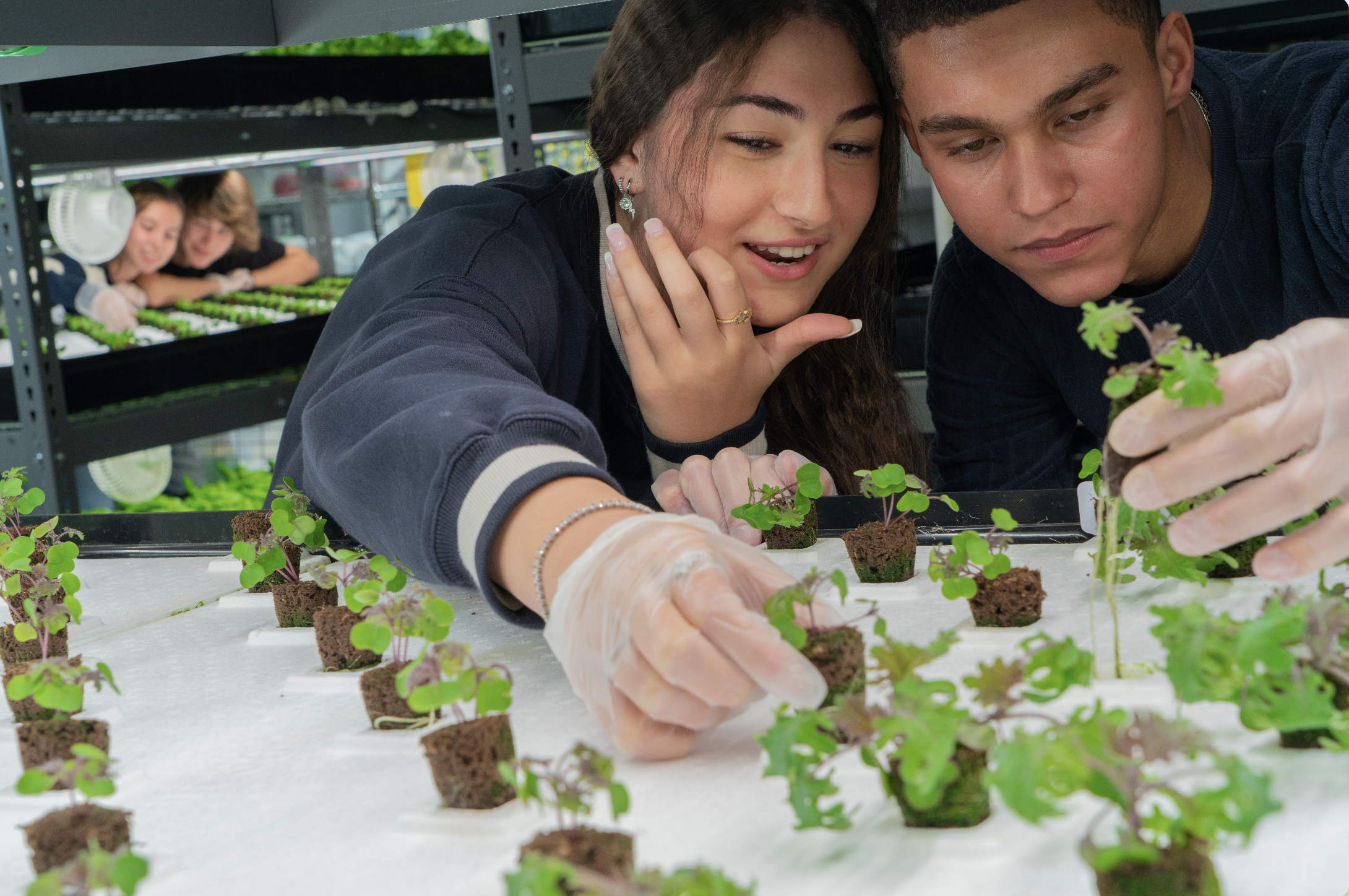
March is National Agriculture Month! We wanted to highlight the work of Teens for Food Justice, an organization that works to reimagine food production in NYC public schools. Here’s our conversation with Emily, Meghan and Pamela from TFFJ:
So often, we’re disconnected from the roots of the food we eat. We don’t touch it until it’s in our kitchen, or even on our plate. At TFFJ, we’re not just changing what food looks like and tastes like, we’re changing our community’s relationship to the food they eat. Our students are farmers and consumers, growing produce in school gardens and eating that food in school cafeterias and at home.
At Lemontree we know that food access is about more than just food–it’s about dignity, community relationships, and health. How does TFFJ connect with these values?
In NYC, ⅓ of students visit the cafeteria each day, making cafeteria meals the primary source of food for many students. It’s important to make these meals count by making them tasty, interesting, and nutritious.
TFFJ works with cafeteria professionals, students, and community members to determine what types of produce to grow and where to distribute it. School gardens supply produce to community sites like hospitals, pantries, childcare centers, and soup kitchens, and much of the food goes home with students themselves, who develop familiarity and understanding of the produce by growing it or taking a TFFJ culinary class.
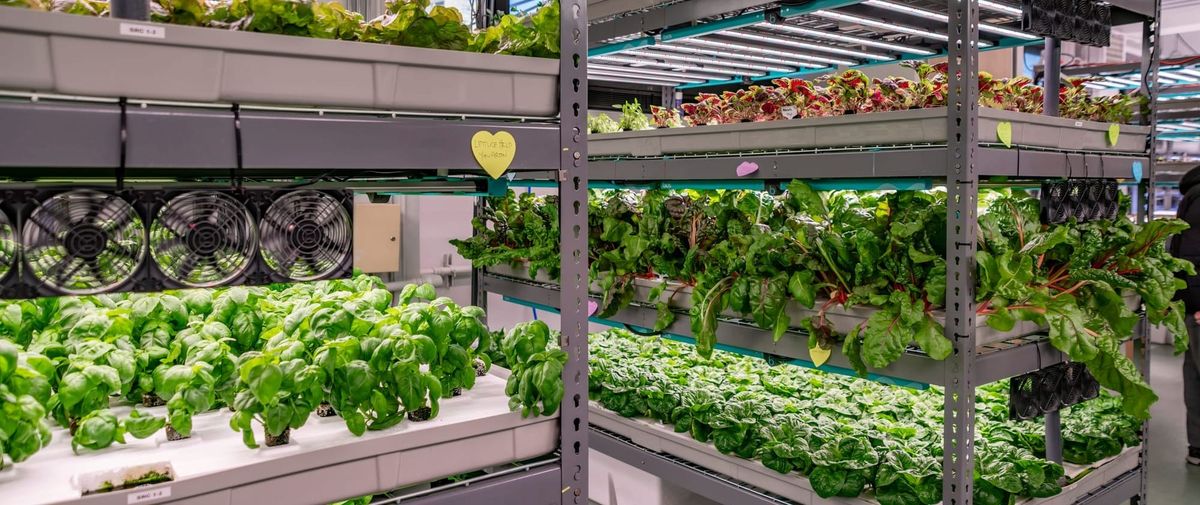
Hydroponic, urban farms aren’t your “typical” agricultural space. Why are these types of farms important?
As we face a climate crisis, innovation in food and farming will become increasingly important. Plus, this is New York City, so if we want to farm, we have to go up!
Working closely with the community also means we can use a grow-to-order model. Dignity and sustainability go hand-in-hand: when people can choose what they want to eat, less food is wasted. Every single seed that’s planted has a destination; every plant we harvest has a purpose.
Thank you to TFFJ for sharing your work with Lemontree and creating a more sustainable and dignified food system for NYC!